In the competitive landscape of multi-family development, every decision impacts the bottom line, with labor costs often representing a significant portion of project expenses. Savvy developers are constantly seeking innovative solutions to enhance efficiency without compromising quality or structural integrity. This is where modern framing techniques, particularly the strategic use of floor trusses, offer a substantial, often overlooked return on investment. By embracing advanced manufacturing and design, companies like Precision Truss are helping projects achieve remarkable labor savings, proving that a smart structural choice can redefine project profitability.
Streamlining Installation for Speed and Precision
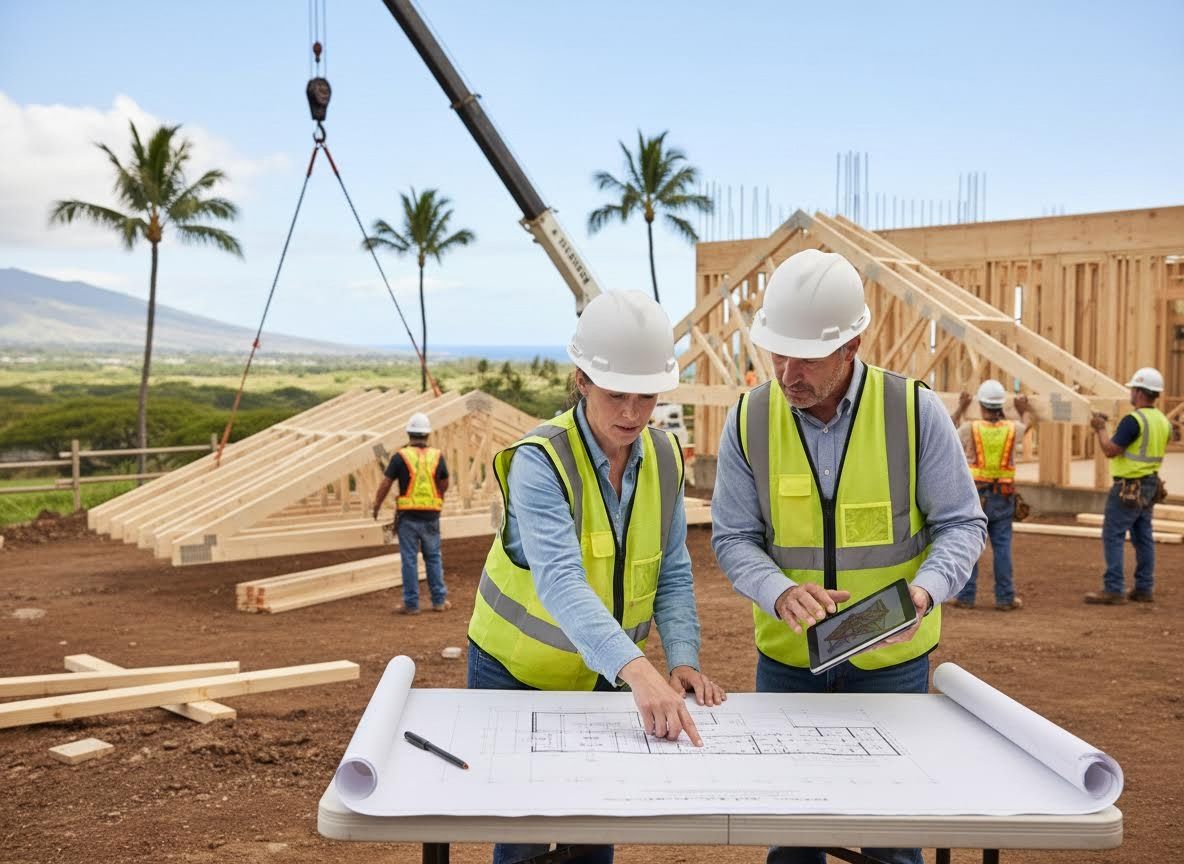
One of the most immediate benefits of integrating floor trusses into multi-family construction is the dramatic reduction in on-site labor time. Unlike traditional joist systems that often require extensive cutting, nailing, and blocking on-site, floor trusses arrive pre-engineered and ready for installation. This means fewer skilled carpenters are needed for framing, and the installation process itself is significantly faster. Projects utilizing pre-engineered wood trusses on Oahu, for example, frequently report accelerated framing schedules, allowing subsequent trades to begin their work sooner and keeping the entire project on track or even ahead of schedule. The inherent precision of factory-built components minimizes errors and rework, directly translating to fewer labor hours expended on correcting mistakes.
The Power of Custom Design and Coordination
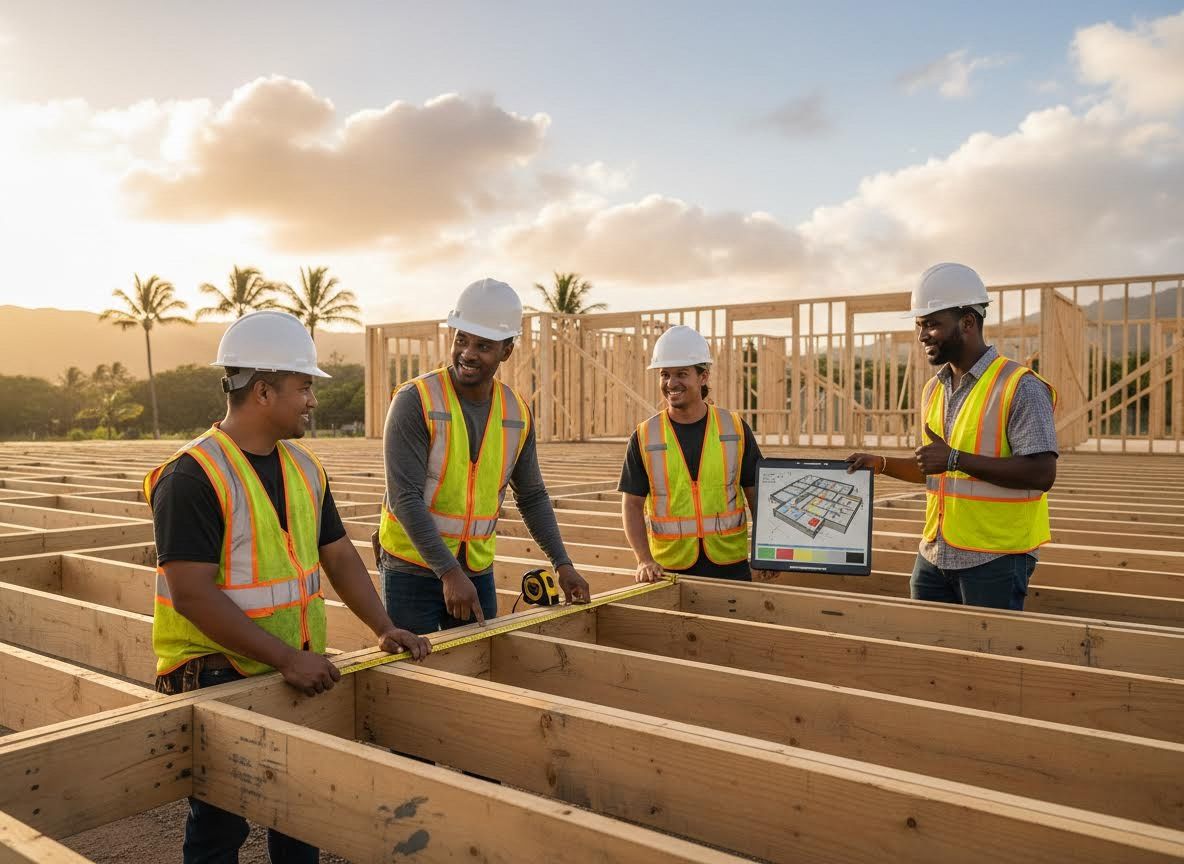
The true genius of modern floor truss systems lies in their adaptability and the advanced design capabilities behind them. Custom floor truss design allows for precise engineering tailored to the specific demands of each multi-family unit, incorporating exact span requirements, load considerations, and even openings for utilities. This upfront planning is further enhanced through building information modeling (BIM). The use of BIM-coordinated trusses in Hawaii ensures that the structural components seamlessly integrate with architectural and MEP designs, identifying potential clashes long before construction begins. This level of coordination drastically reduces on-site problem-solving, which is a major time and labor sink in traditional construction. By eliminating guesswork and optimizing every component, custom-designed trusses ensure that each piece fits perfectly, significantly cutting down on labor-intensive modifications.
Beyond Framing: Integrated System Benefits
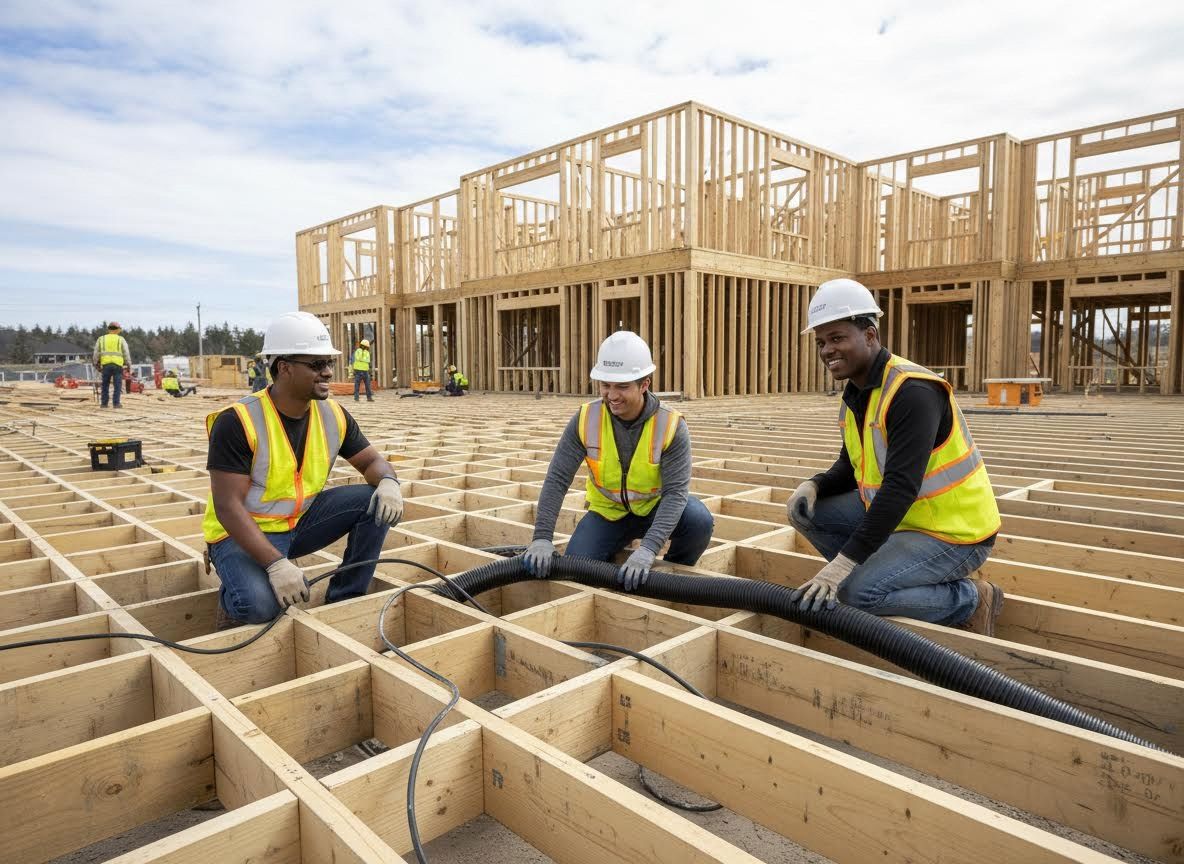
The labor-saving advantages of floor trusses extend well beyond the framing crew. Their open web design provides an invaluable benefit for other trades, particularly for mechanical, electrical, and plumbing (MEP) contractors. Unlike solid joists that require drilling or notching—a labor-intensive and potentially structurally compromising activity—floor trusses offer generous channels for running ductwork, wiring, and piping directly through their members. This eliminates the need for complex and time-consuming chases or bulkheads, accelerating the installation of these critical systems. The ease of access and clear pathways mean less time spent navigating obstacles, fewer conflicts between trades, and ultimately, a more efficient construction timeline, further reducing overall labor expenditures on the project.
Choosing the right structural components is a foundational decision that profoundly impacts the efficiency and profitability of multi-family developments. By leveraging advanced solutions like custom floor truss design and BIM-coordinated trusses, developers can unlock significant labor cost savings and accelerate project completion. As a leading roof truss manufacturer in Hawaii, Precision Truss understands the intricate demands of construction in the region, offering comprehensive, high-quality solutions, including robust hurricane-rated roof systems in Hawaii. To learn more about how our team can optimize your next multi-family project and contribute to your bottom line, explore our project case studies and design capabilities.