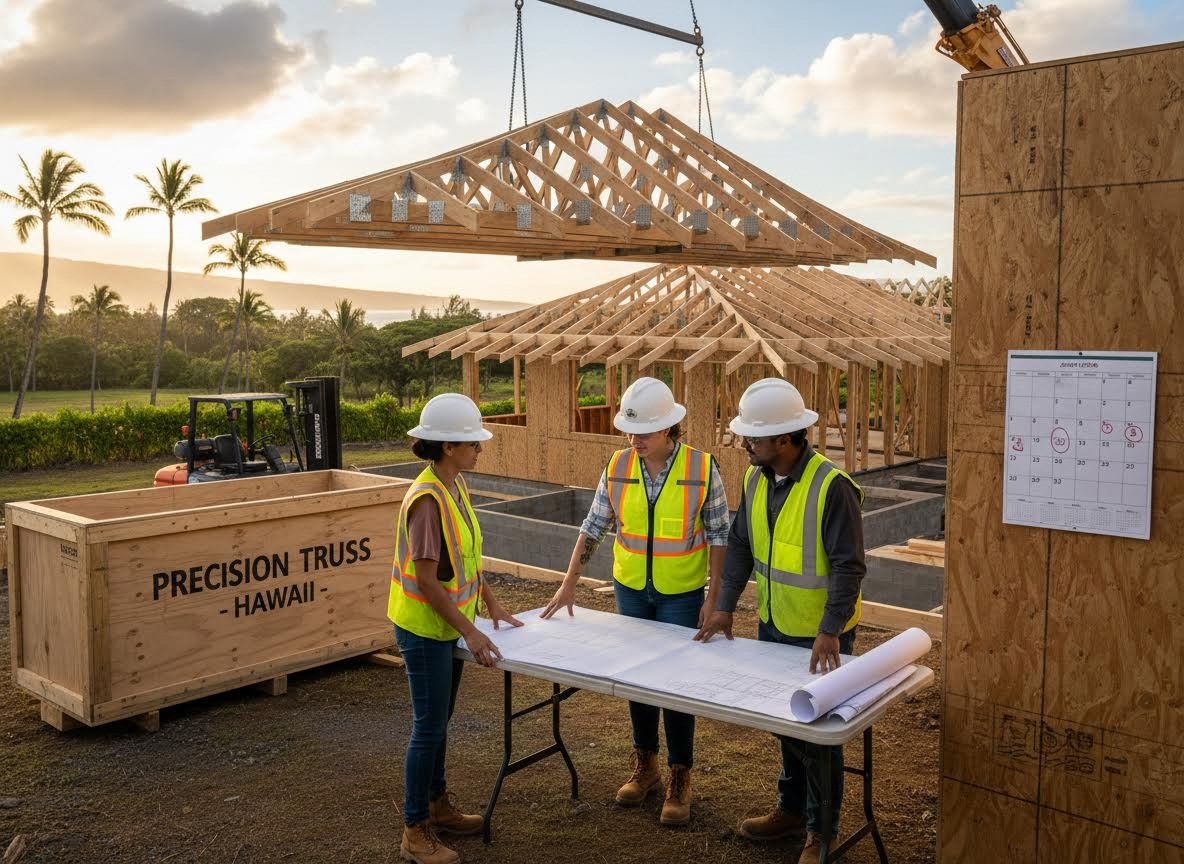
Navigating the complexities of construction in Hawaii requires meticulous planning, especially when it comes to critical structural components like custom trusses. For builders and developers looking ahead to 2026, understanding the lead times for these essential elements is crucial for project success. At Precision Truss, we recognize that proactive scheduling can make all the difference in meeting project deadlines and maintaining budgetary control within the unique Hawaiian market.
Factors Shaping Truss Lead Times in Hawaii
Several key elements influence how long it takes to acquire custom trusses for your project. Firstly, the complexity of your custom floor truss design plays a significant role; highly intricate designs requiring specialized engineering will naturally extend the timeline. Project size and volume also matter, as larger orders demand more resources and production time. Material availability, particularly for specific timber grades or connection hardware, can fluctuate based on global supply chains and local stock. Lastly, current market demand across the islands directly impacts manufacturer backlogs, making early engagement critical for projects utilizing pre-engineered wood trusses on Oahu.
Unique Challenges of Island Logistics and Compliance
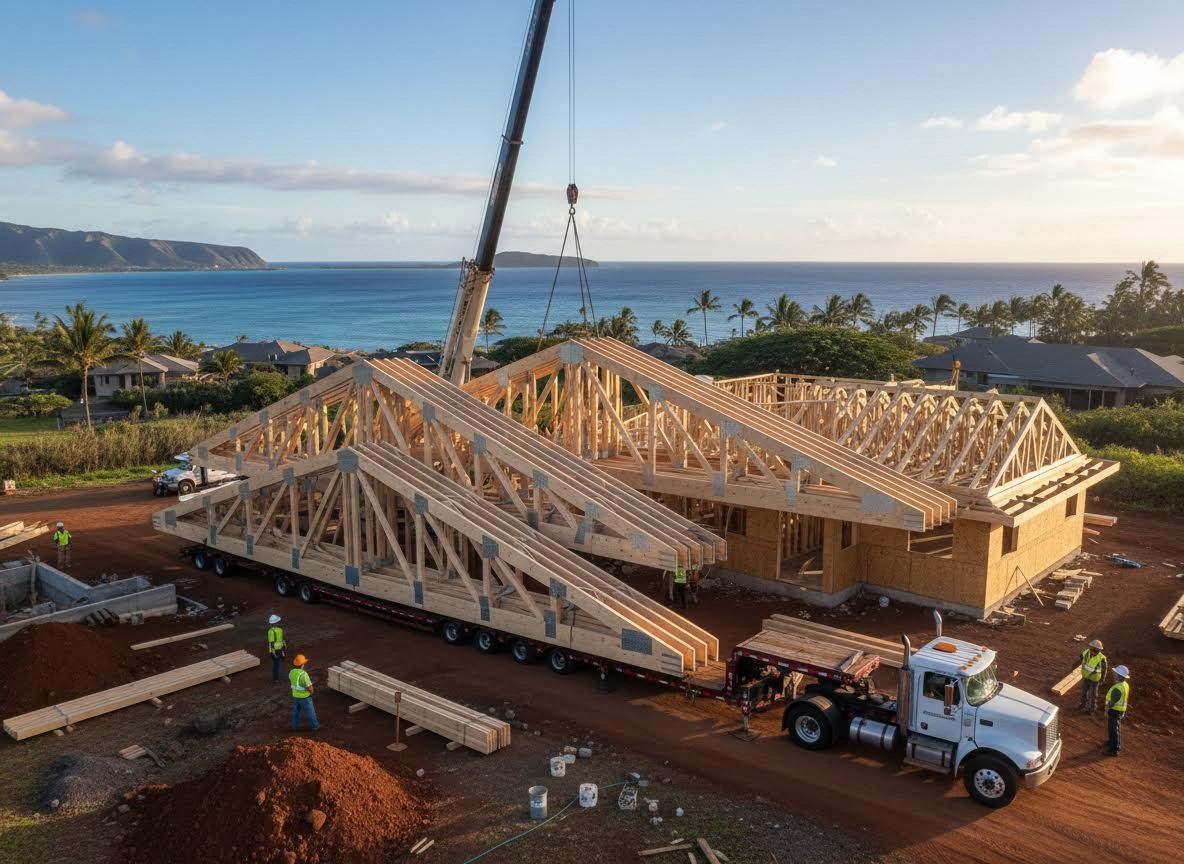
Construction in Hawaii presents distinct challenges that can affect truss lead times. Transportation and shipping logistics from the mainland, or inter-island transfers, add an inherent layer of time compared to mainland projects. Furthermore, adherence to local building codes, especially those pertaining to hurricane-rated roof systems in Hawaii, requires specific engineering and manufacturing processes that can impact production schedules. These robust systems are designed to withstand high winds, and their precise specifications mean careful planning and execution are paramount, distinguishing them from standard truss production.
The Design and Engineering Journey
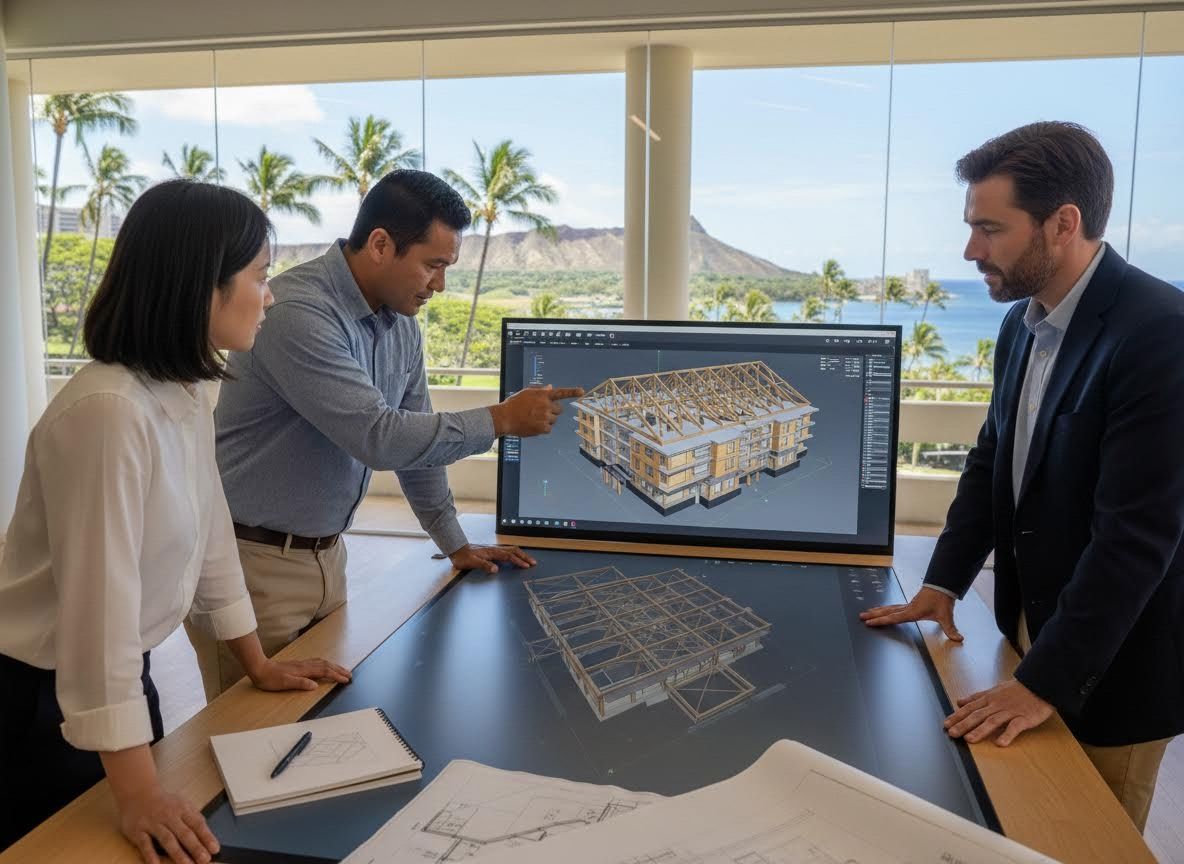
The lead time for custom trusses isn't solely about manufacturing; it significantly encompasses the design and engineering phase. This initial stage involves detailed calculations, structural analysis, and often, iterative revisions to ensure the trusses meet all project specifications and local regulations. Engaging with a manufacturer that utilizes advanced design tools, such as those capable of BIM-coordinated trusses in Hawaii, can streamline this process considerably. Building Information Modeling allows for precise visualization and coordination, minimizing potential clashes and rework later in the project, but this comprehensive design still requires dedicated time for thorough development and approval.
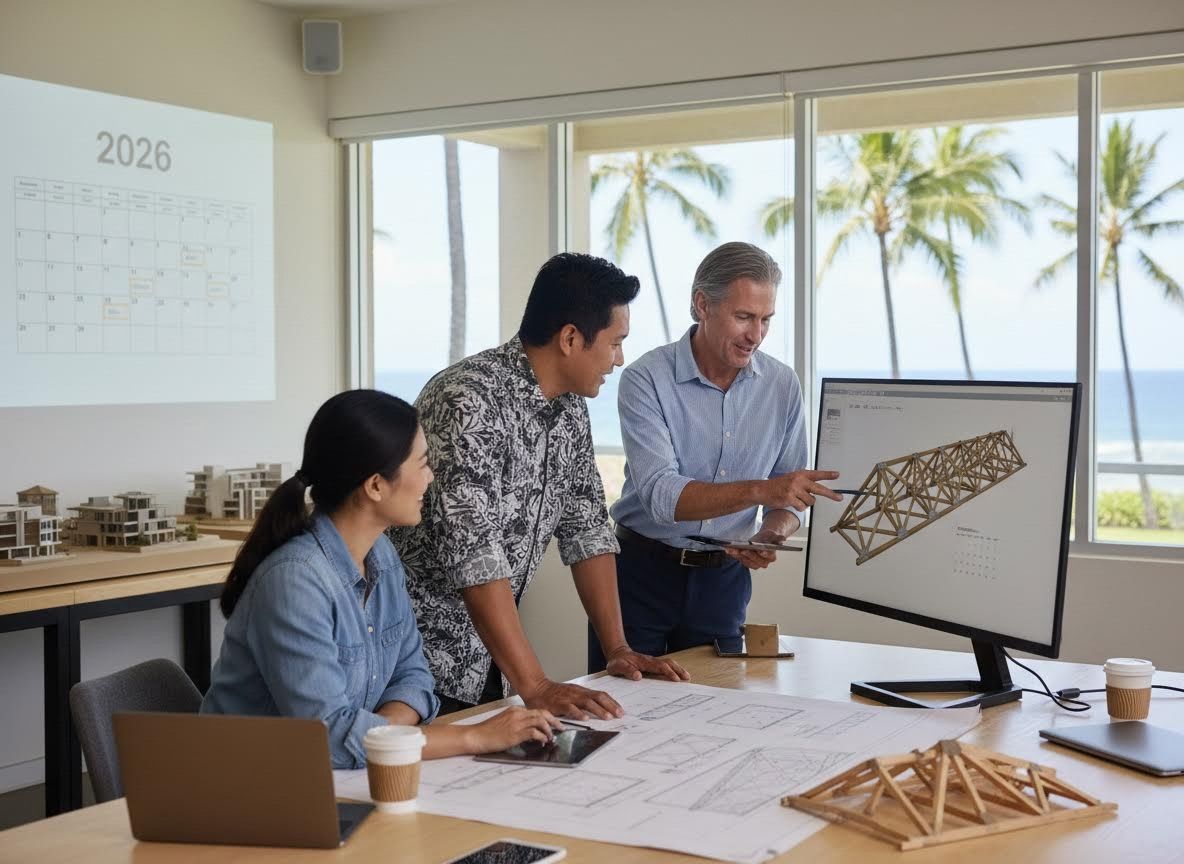
Optimizing Your Project Schedule for 2026
To secure your custom trusses efficiently for projects in 2026, proactive planning is your strongest tool. Initiate discussions with your roof truss manufacturer in Hawaii as early as possible in your project's lifecycle, ideally during the architectural design phase. This allows for concurrent engineering, where truss designs can be integrated seamlessly with the overall building plan. Providing complete and accurate project documentation upfront, including architectural drawings and structural requirements, will also help to expedite the quoting and design process, ensuring a smoother transition to manufacturing.
Understanding the various factors that contribute to lead times for custom trusses in Hawaii is essential for any successful construction endeavor. From design complexity to unique island logistics and the meticulous engineering of hurricane-rated roof systems in Hawaii, each step requires careful consideration. By partnering with an experienced provider like Precision Truss and embracing proactive planning, you can navigate these challenges effectively and ensure your project stays on schedule. We invite you to connect with our team to discuss your specific project needs and explore how our expertise can support your upcoming builds.