The structural integrity of any building hinges significantly on the quality and condition of its truss system. These engineered components bear the weight of your roof and transfer it safely to the walls, making their long-term performance absolutely critical. Just as you maintain other vital parts of your property, your trusses require diligent care to ensure decades of reliable service. At Precision Truss, with over 25 years of serving customers island-wide, we understand the nuances of high-quality wood truss solutions and the importance of their proper upkeep.
Regular Visual Inspections Are Your First Line of Defense
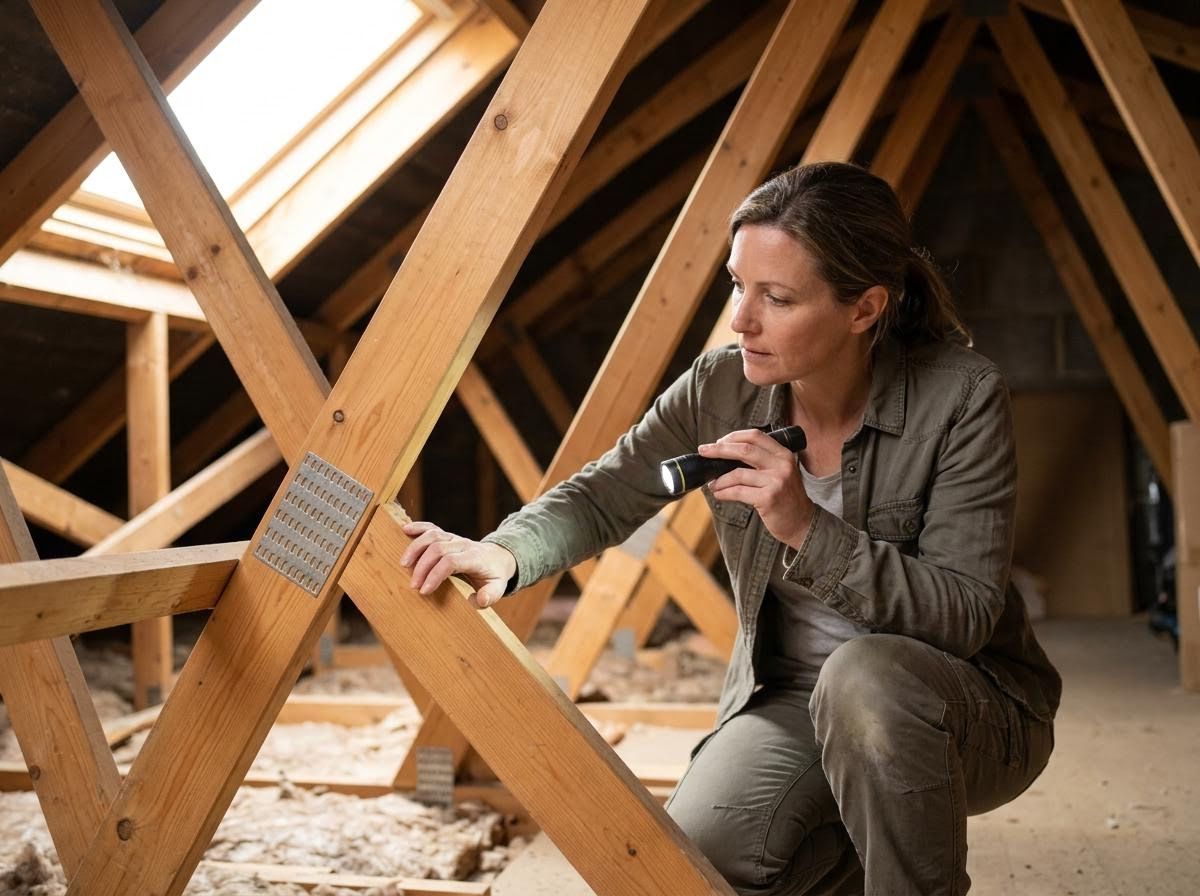
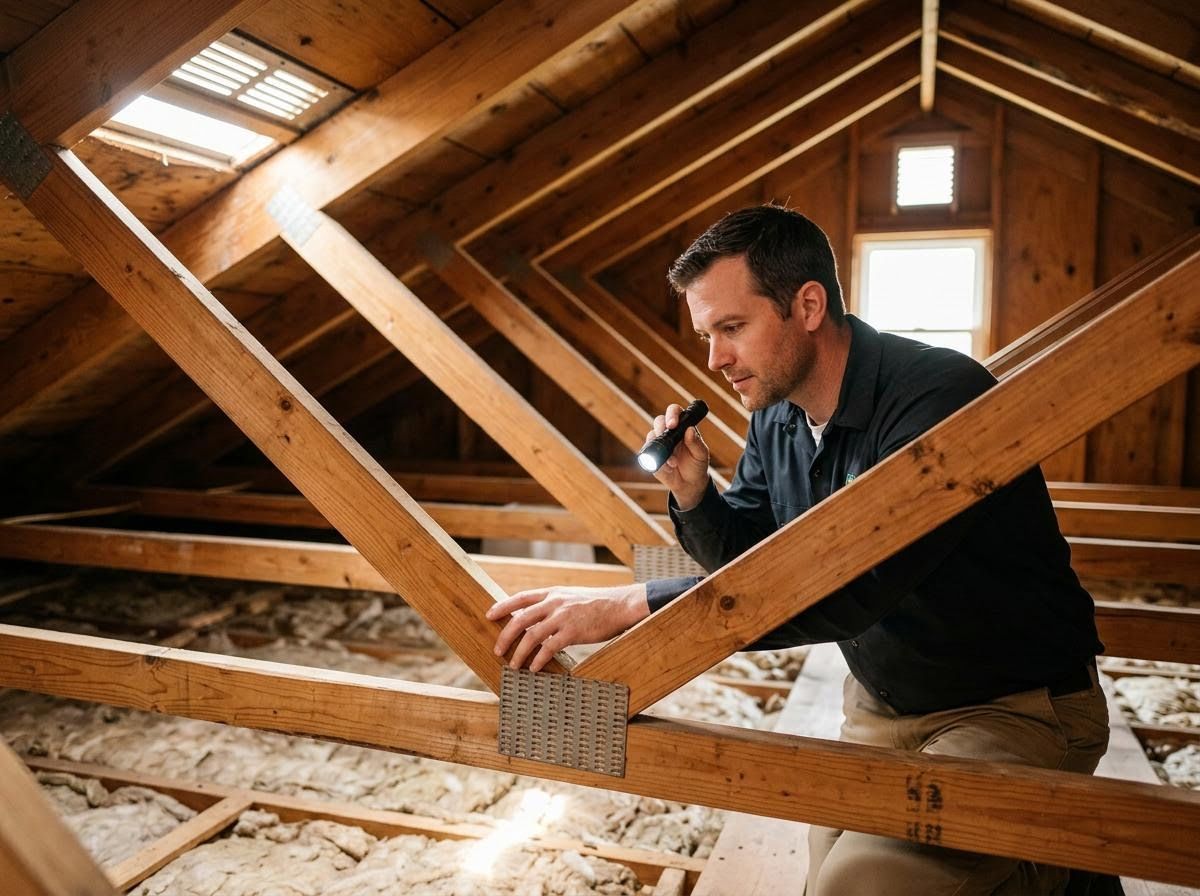
Proactive monitoring is paramount for extending the lifespan of your truss system. We recommend conducting routine visual inspections, ideally semiannually, to identify any potential issues early. Look for signs of stress, such as cracks, bowing, or warping in the wood. Pay close attention to connections and fasteners, ensuring they are tight and free from corrosion. Also, examine the general condition of the wood for discoloration, soft spots, or unusual odors, which can indicate moisture penetration or pest activity. Early detection of these symptoms allows for timely intervention, preventing minor problems from escalating into costly structural damage.
Protecting Against Moisture and Pests
Wood trusses, while incredibly strong and durable, are susceptible to environmental factors, particularly moisture and pests. In Hawaii's climate, managing these elements is especially crucial. Ensure your roofing system is in excellent condition, promptly repairing any leaks or damaged shingles that could allow water to seep into the attic space. Adequate ventilation within your attic is also vital to prevent condensation buildup and maintain a dry environment, which inhibits mold and rot. Additionally, be vigilant against common wood-destroying pests like termites. Look for mud tubes, wood dust, or hollow-sounding timber. Regular pest control treatments and promptly addressing any signs of infestation will protect your trusses from irreversible damage.

Ensuring Proper Load Distribution and Structural Integrity
Trusses are engineered to support specific loads; therefore, maintaining their original structural integrity is non-negotiable. Avoid storing heavy items directly on bottom chords or making unauthorized modifications, such as cutting or altering truss members, without professional consultation. These actions can compromise the design intent and lead to significant structural failure. If changes are necessary for HVAC installation, wiring, or other purposes, always consult a qualified engineer or truss expert to ensure any modifications are properly designed and executed, preserving the load-bearing capacity of the system.
When to Seek Professional Assessment and Repair
While regular homeowner inspections are valuable, there are times when professional expertise is indispensable. If you notice significant sagging, widespread cracking, or any other structural anomaly that gives you pause, it's crucial to call in experienced professionals. Similarly, after severe weather events, a professional inspection can provide peace of mind by confirming the continued integrity of your roof structure. Experts can accurately assess damage, recommend appropriate repair strategies, and execute them using specialized techniques and materials, ensuring repairs meet safety standards and extend the life of your entire system.
Proper maintenance is not merely about preserving the aesthetic appeal of your building; it's about safeguarding its fundamental strength and the safety of its occupants. By diligently following these essential maintenance tips, you can significantly extend the lifespan of your truss system, protecting your investment for years to come. Precision Truss is committed to providing not just high-quality solutions, but also the knowledge and support needed to maintain them. To learn more about optimizing your structural components or to discuss your project needs, explore our resources on durable construction practices.