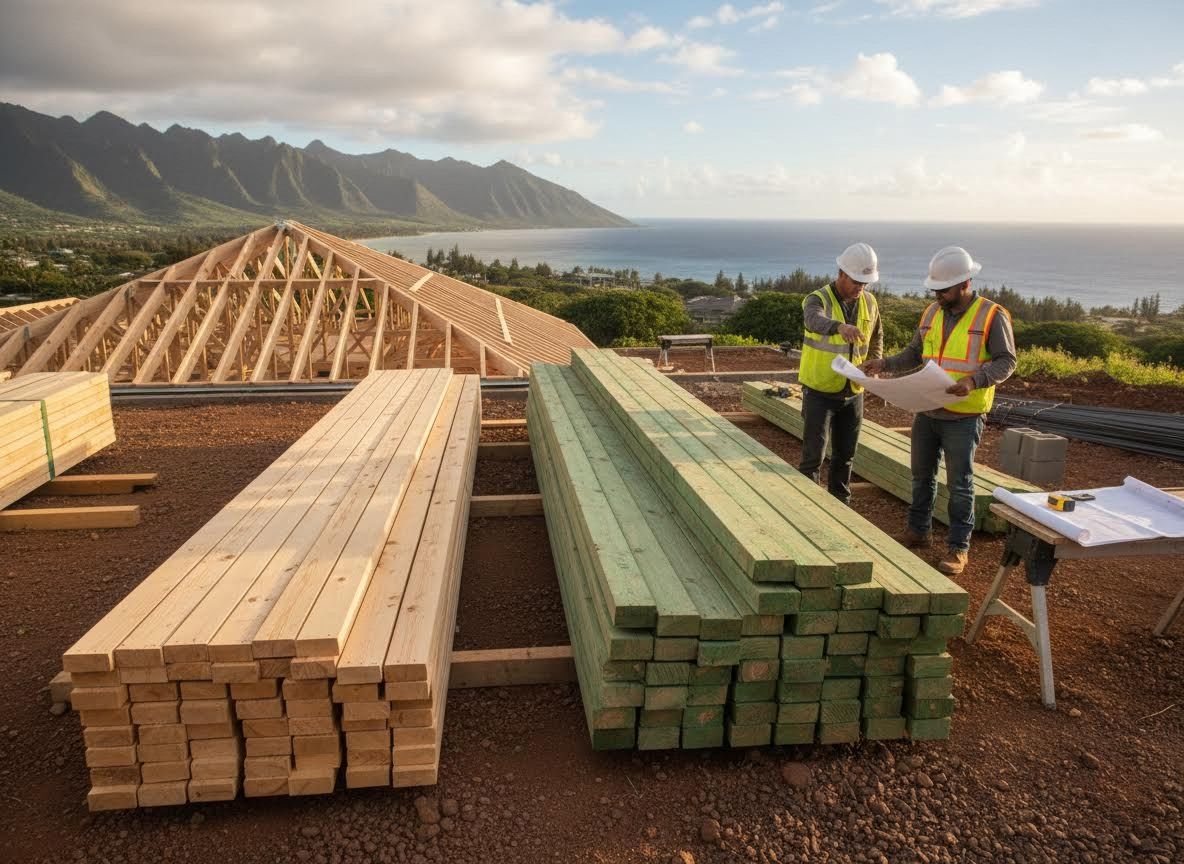
Building in the Hawaiian Islands presents unique challenges, from the persistent humidity to the ever-present risk of hurricanes. When it comes to the structural backbone of any building – its trusses – the choice of lumber is not just a preference, but a critical engineering decision. Understanding the properties and performance of different materials is essential for ensuring longevity and safety. Here at Precision Truss, we recognize that the debate between materials like Douglas Fir and locally treated lumber for Hawaii trusses is a vital discussion for builders across the islands.
The Proven Performance of Douglas Fir
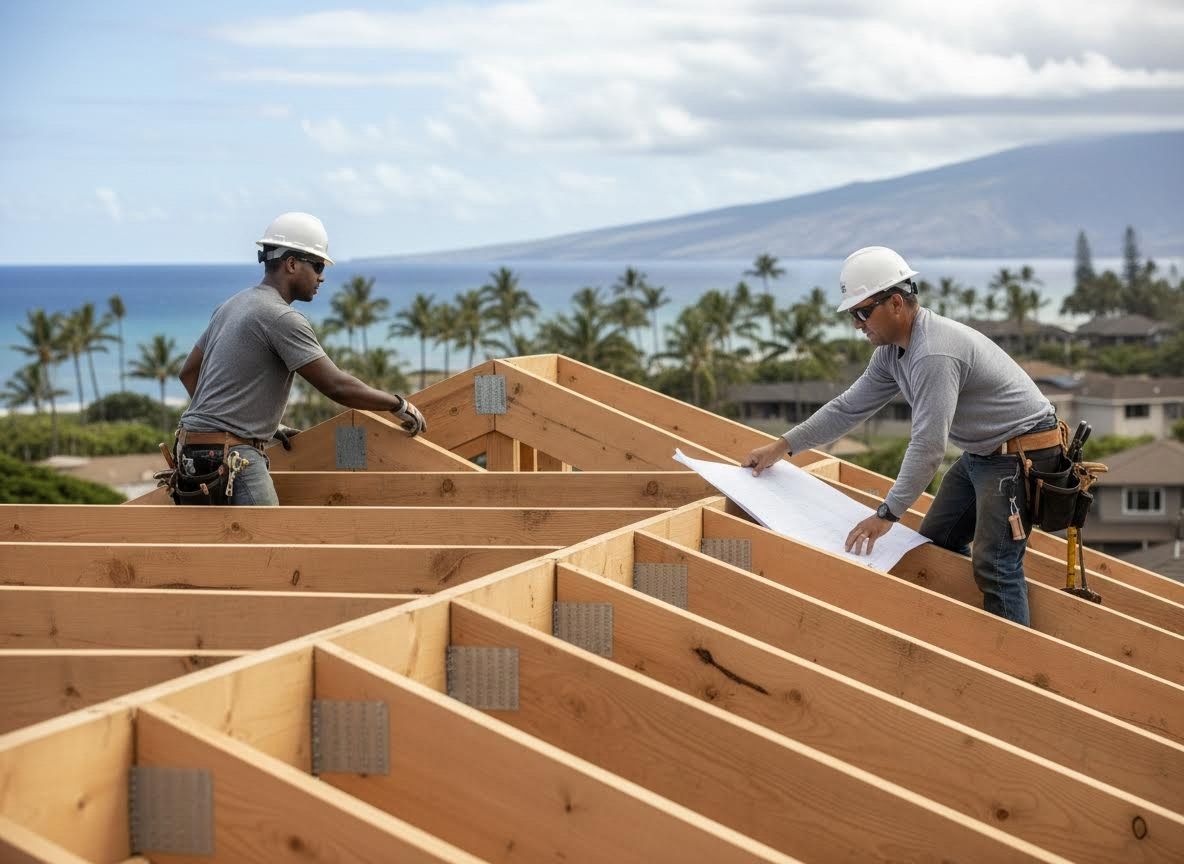
Douglas Fir has long been a benchmark in the construction industry for its exceptional strength, stiffness, and dimensional stability. Its inherent structural integrity makes it an ideal choice for demanding applications like roof trusses and custom floor truss design. This species boasts an impressive strength-to-weight ratio, allowing for robust yet efficient designs. For builders needing pre-engineered wood trusses on Oahu or elsewhere in the state, Douglas Fir provides a reliable foundation, resisting the stresses of high winds and heavy loads. Its consistent quality and predictable performance are crucial for creating resilient structures, particularly for hurricane-rated roof systems in Hawaii where structural reliability is paramount.
Understanding Locally Treated Lumber for Island Climates
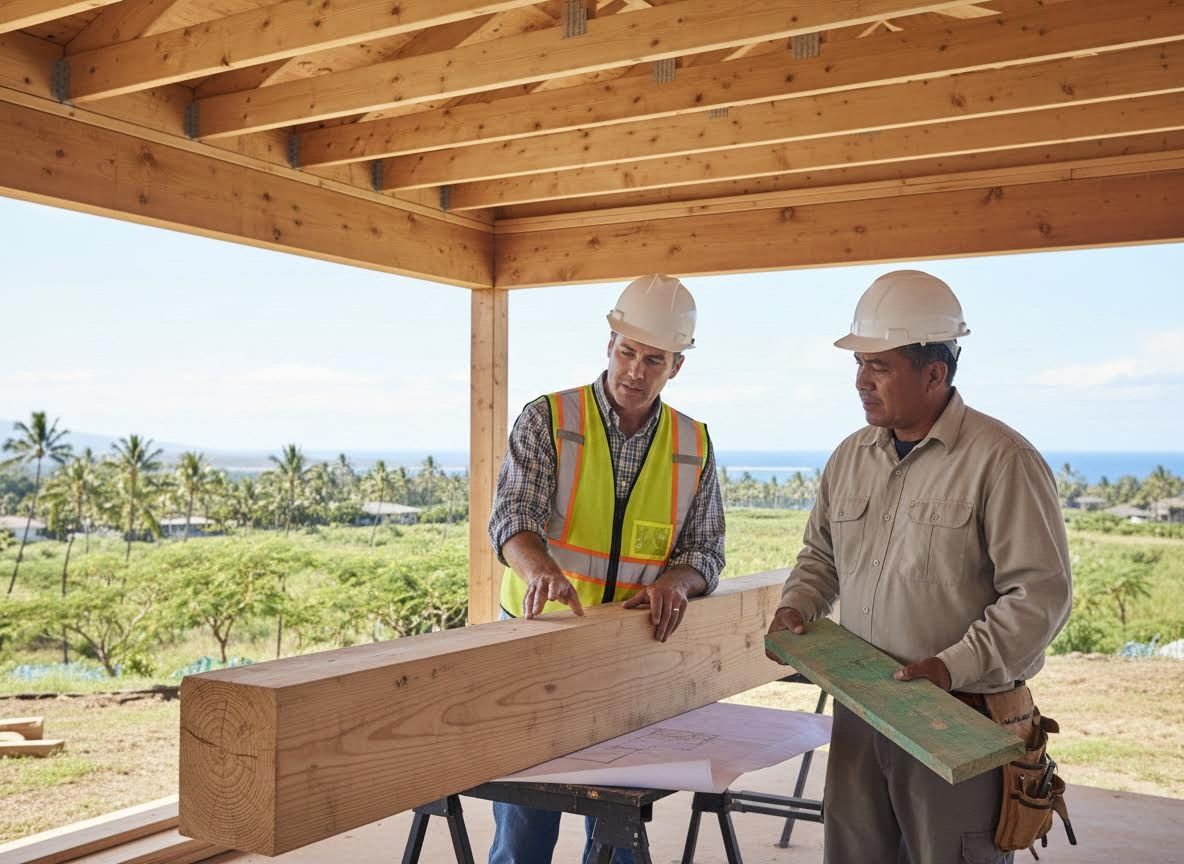
Locally treated lumber typically refers to wood that has been pressure-treated with preservatives to protect it against decay, fungi, and insect infestation—common concerns in Hawaii's tropical environment. While incredibly valuable for ground contact applications, decking, or non-structural elements where moisture and pests are a constant threat, its use in primary structural components like trusses requires careful consideration. The treatment process can alter the wood's structural properties, and its consistency can vary. While it addresses specific environmental challenges, it's essential to consult with structural engineers to ensure it meets the rigorous load-bearing and performance specifications required for hurricane-rated roof systems in Hawaii.
Engineering for Longevity and Safety in Hawaii
The ultimate goal for any project in the islands is to construct buildings that are safe, durable, and resilient. For a roof truss manufacturer in Hawaii, selecting the right material is a balancing act between environmental protection and structural performance. While treated lumber excels at fending off pests and rot, materials like Douglas Fir are often preferred for their superior mechanical properties when designing complex structural elements that bear significant loads. Engineers often specify materials based on precise calculations of stress, strain, and environmental factors. The decision impacts not only the initial construction but also the long-term maintenance and structural integrity, especially when facing the unique challenges of the island climate.
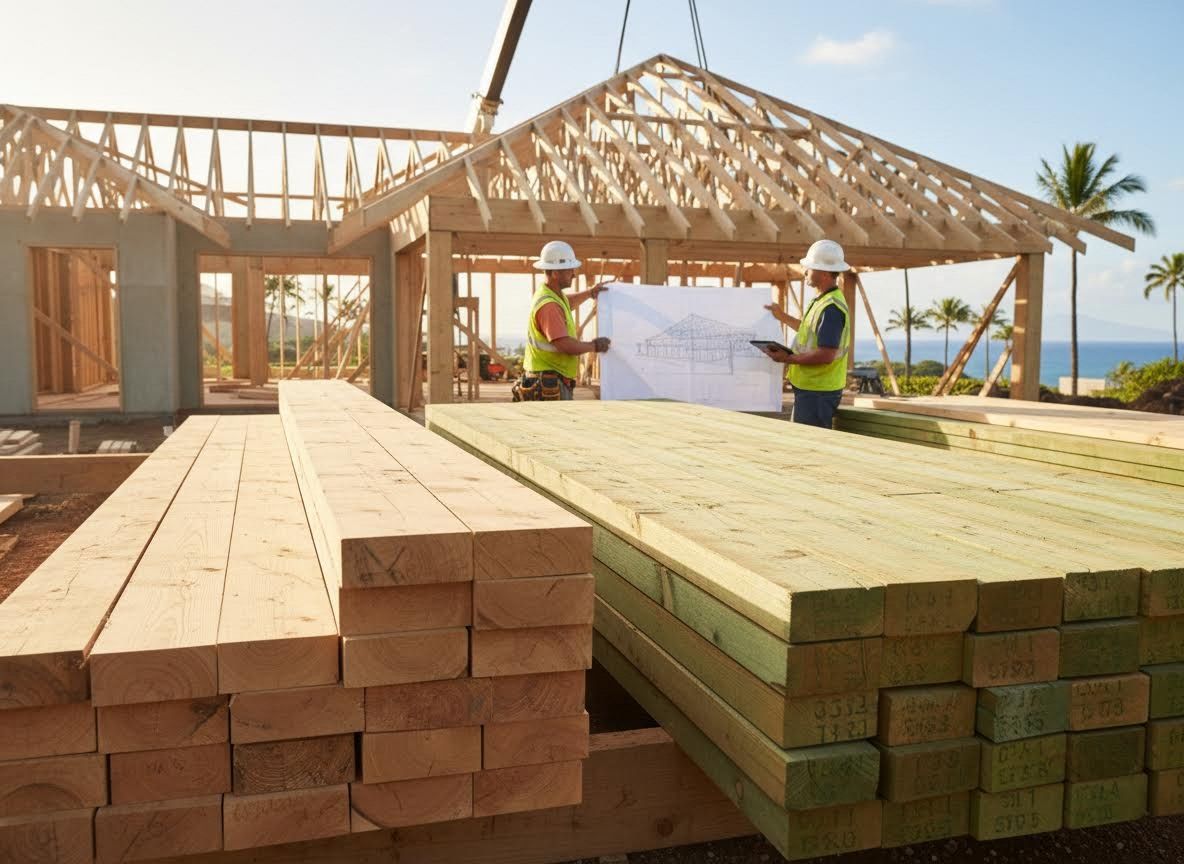
The Role of Precision in Truss Manufacturing
Regardless of the lumber selected, the design and manufacturing process are equally critical. Modern techniques, including BIM-coordinated trusses in Hawaii, ensure that every component is engineered to exact specifications, maximizing material efficiency and structural integrity. Whether it's a complex roof structure or a custom floor truss design, precision in cutting, assembling, and fastening is vital. This meticulous approach guarantees that the chosen lumber, whether Douglas Fir or treated varieties for specific applications, performs as intended, contributing to the overall strength and safety of the building, especially under the demanding conditions found throughout the Hawaiian Islands.
At Precision Truss, we know choosing the right material for your Hawaii trusses is a complex decision that requires careful consideration of structural performance, environmental challenges, and long-term durability. While locally treated lumber offers protection against pests and decay, Douglas Fir stands out for its inherent strength and reliability in critical structural applications, contributing significantly to robust hurricane-rated roof systems in Hawaii. Understanding these distinctions is key to constructing enduring and safe buildings. For detailed insights into material selection and engineering for your next project, get in touch to discuss our pre-engineered wood trusses for your next project.