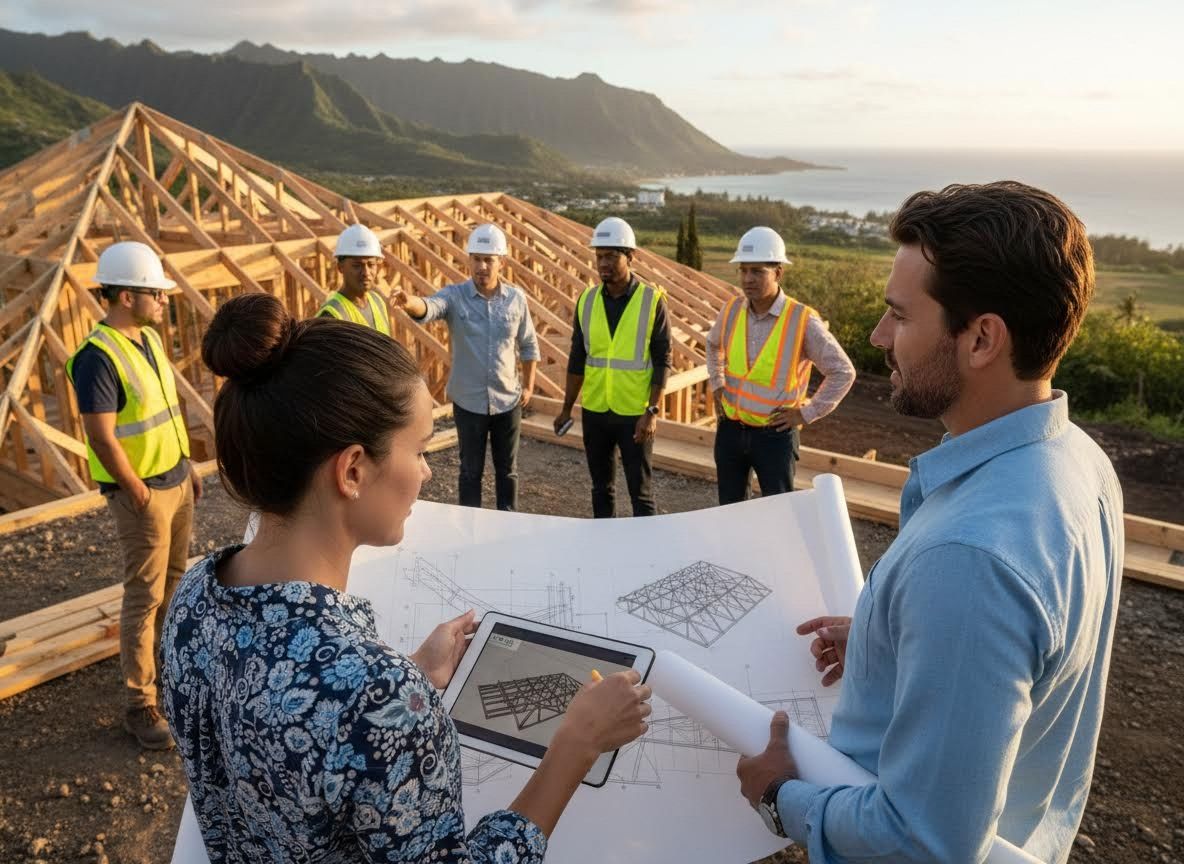
Designing a robust and efficient roofing system is a cornerstone of any successful construction project, directly impacting a building's longevity, safety, and overall performance. For architects, understanding the nuances of truss design is paramount, ensuring that the structural framework not only meets aesthetic goals but also withstands environmental challenges and complies with stringent regulations. At Precision Truss, we believe that informed collaboration between architects and truss specialists leads to superior outcomes, making the initial design phase critically important. This collaboration ensures that every element, from load bearing to installation, is considered from the outset.
Structural Integrity and Environmental Demands
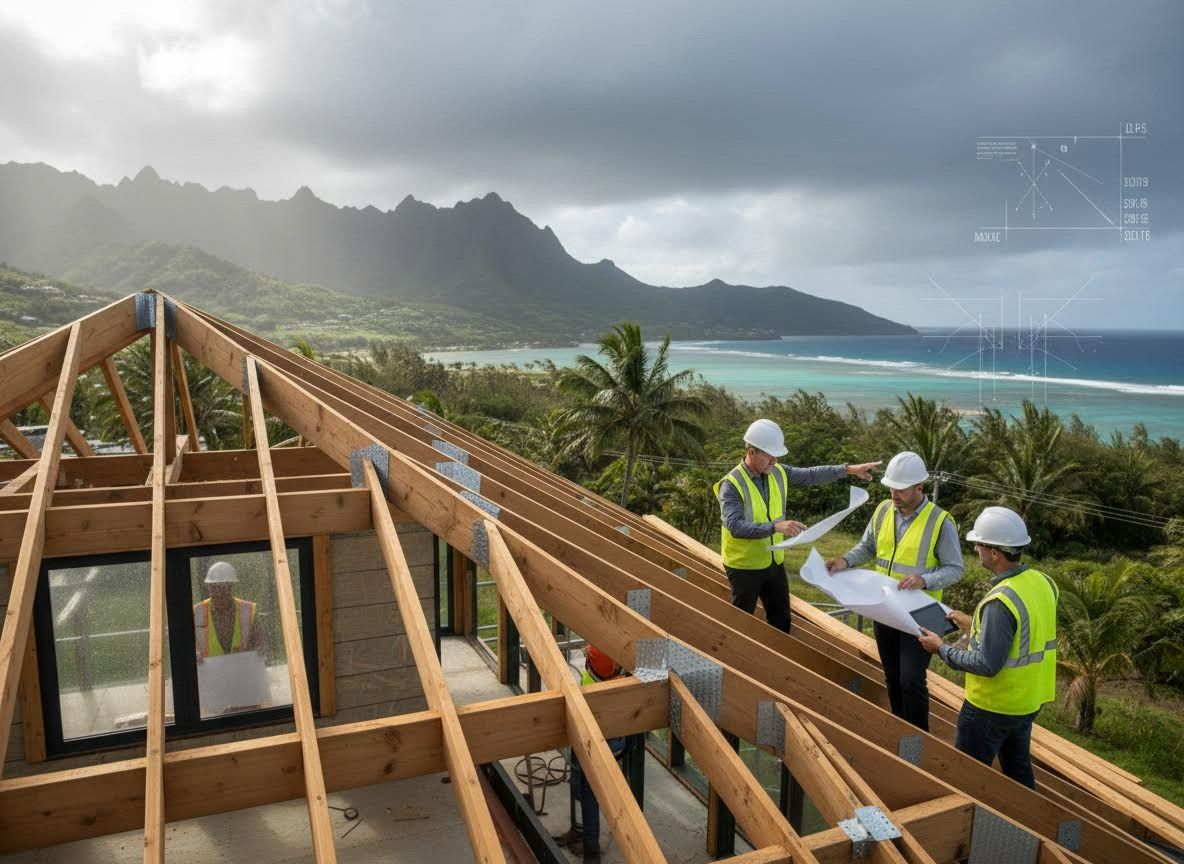
The primary function of any roof structure is to bear significant loads – not just the weight of the roofing materials themselves, but also environmental forces like heavy rains, wind, and seismic activity. For projects in the islands, architects must particularly consider the unique environmental conditions. Specifying hurricane-rated roof trusses in Hawaii is not just a best practice; it's an essential requirement to protect structures against the region's powerful weather events. This involves detailed calculations for uplift, lateral forces, and compression, which dictate the specific dimensions and connections of each truss component. Early consideration of these demands ensures a design that is resilient and safe for decades to come.
Local Building Codes and Material Specifications
Navigating the complex landscape of local building codes and material specifications is another critical area for architects. Each jurisdiction has specific requirements that influence structural design, fire ratings, and material sourcing. In areas like Oahu, understanding and adhering to these codes from the outset can prevent costly redesigns and delays. Leveraging solutions like pre-engineered wood trusses on Oahu allows architects to specify components that are factory-built to precise standards, ensuring compliance and superior quality control. These components arrive on-site ready for installation, simplifying the construction process while meeting all local regulatory demands.
Seamless Integration with Advanced Design Technologies
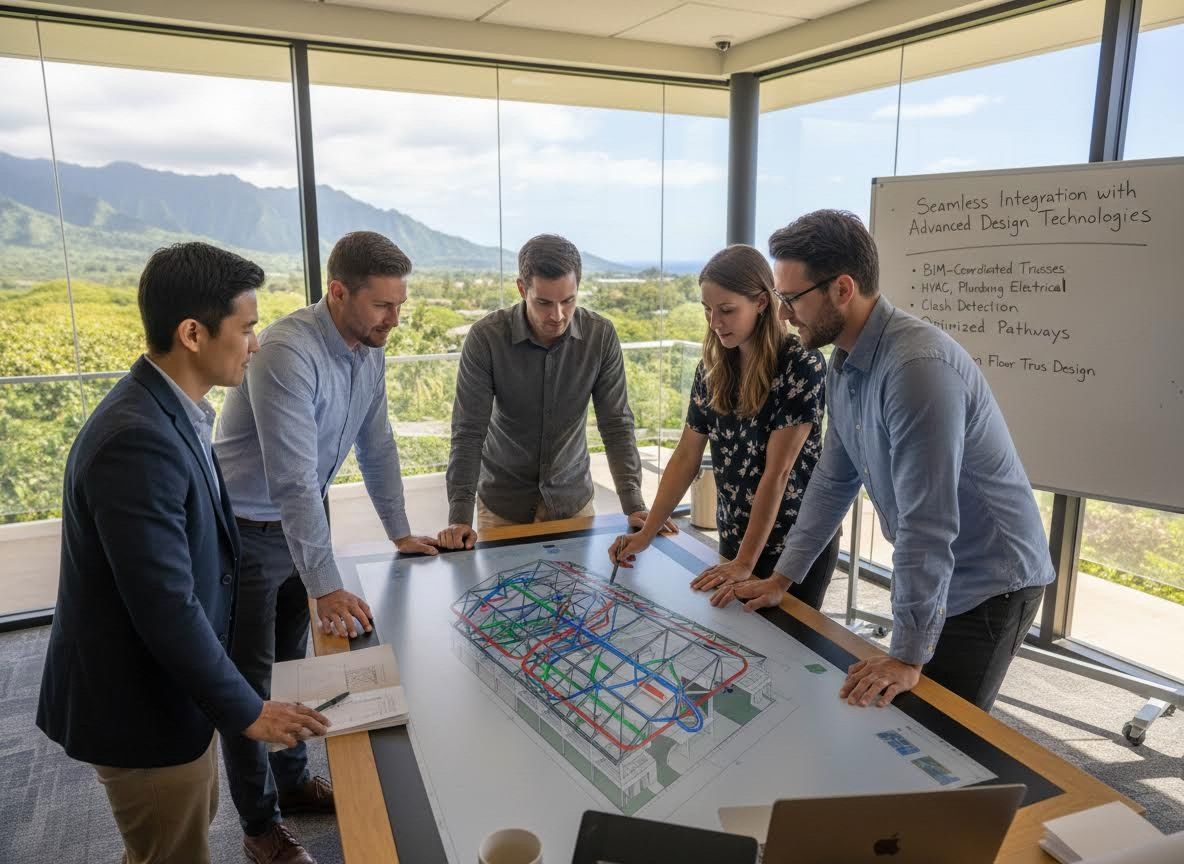
Modern construction demands seamless integration across all building systems, and the roof structure is no exception. Architects should consider how the truss system interfaces with HVAC, plumbing, electrical, and other elements. Utilizing advanced design tools and processes, such as specifying BIM-coordinated trusses in Hawaii, allows for a holistic approach. Building Information Modeling (BIM) facilitates detailed coordination, identifying potential clashes and optimizing pathways for utilities before construction even begins. This level of precision extends to other structural elements as well; a well-planned custom floor truss design, for instance, can provide open floor plans and reduce the need for interior bearing walls, offering greater design flexibility and structural efficiency.
Proactive Planning for Manufacturing and Installation
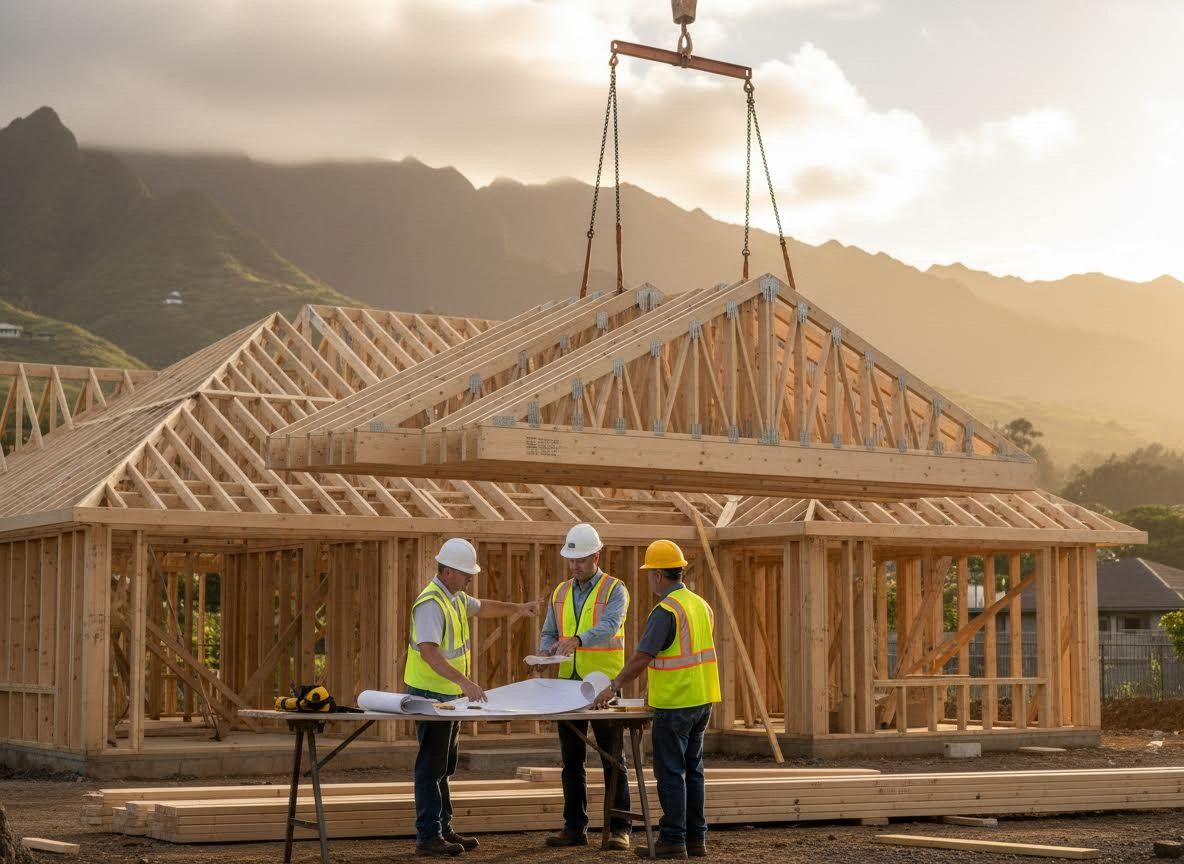
Beyond structural calculations and code compliance, an architect’s understanding of the manufacturing process and on-site installation logistics is invaluable. Considering factors like lead times for fabrication, delivery routes, and crane access points during the design phase can significantly streamline project timelines and reduce costs. Collaborating with a truss manufacturer early allows for design adjustments that optimize for efficient production and smooth assembly, minimizing potential site challenges and ensuring that the final structure aligns perfectly with the architectural vision.
By focusing on structural integrity, code compliance, integrated design methodologies, and practical logistics, architects can lay the groundwork for exceptional building performance. Proactive consideration of these vital elements, in partnership with a knowledgeable roof truss manufacturer in Hawaii like Precision Truss, ensures that your designs are not only aesthetically pleasing but also robust, efficient, and cost-effective. For more insights into optimizing your structural designs and leveraging the latest in truss technology, contact our team today.